Nightlife Culture
Vinyl, CDJs or a Laptop: What DJs Are Actually Packing
A practical look at the gear most DJs bring to the decks today, from crates of vinyl to sleek laptops.
30 August 2026 · NightSneak
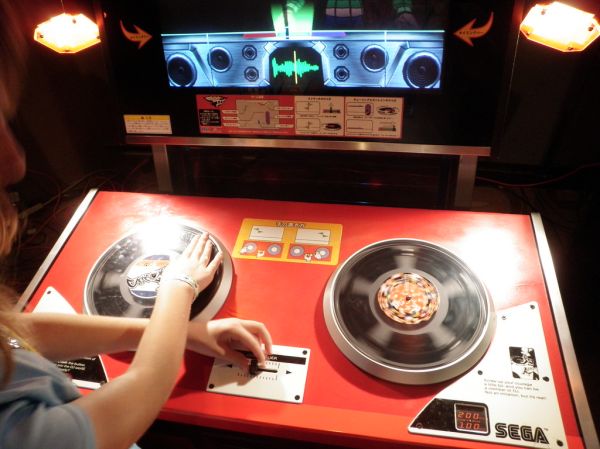
The old image of a DJ hunched over a stack of vinyl is still romantic, but the reality on the dancefloor is a mix of old school and new tech. Most nights you’ll see a blend of gear, not a single‑minded choice, because the right tool depends on the venue, the crowd and the vibe you want to create.
Vinyl is alive in the underground, especially for techno purists and those who love the tactile feedback of a needle. It’s heavy, it’s loud to transport, and you need a good turntable, but the warmth and physicality of a record can turn a set into a ritual that fans remember.
CDJs have become the workhorse of clubs and larger parties. They let you cue, loop and sync tracks without digging through crates, and they accept USB sticks, CDs and even SD cards. The layout feels familiar to turntablists, so many DJs use a pair of CDJs as their primary platform and fall back on a laptop for extra tracks.
Laptops paired with DJ controllers or software are the most common setup at festivals and big venues. They give you access to massive libraries, effects and live remixing, and a backup laptop can keep the show going if a piece of gear fails. The downside is the reliance on power and the risk of a crash, which is why most pros carry a USB drive or a small external hard drive as a safety net.
In practice most modern DJs travel with a hybrid rig: a laptop loaded with a curated library, a pair of CDJs for the main performance, and occasionally a turntable for that special vinyl moment. Knowing how to flip between them on the fly is the real secret to keeping the dancefloor moving.